
Are Private Music Lessons Worth It?
Private music lessons are often worth it when you want one-on-one feedback, lessons matched to your goals, and a pace that fits you or your child. You get the teacher's full attention for the hour. Mistakes get fixed in the room instead of waiting a week. That is the core trade for the higher price versus group classes.
Music lessons in any format can build discipline, focus, and confidence. Private lessons are the better bet when those outcomes matter more than the social side of a class, or when you need custom repertoire, makeup flexibility, or faster technique correction. If you are still exploring, group lessons or a short trial can be a lower-cost way to test interest first.
When you are ready for a teacher who fits your schedule and goals, find a piano teacher on The Best Piano Teachers.
Are Music Lessons Worth It?
Learning an instrument takes patience and regular practice. Completing small goals week by week builds confidence and attention to detail. Lessons give you a structure for that work: someone checks your hands, posture, and practice habits, and you leave with a clear next step.
So yes, music lessons are worth it if you (or your child) will show up and practice between visits. Discipline and enjoyment grow together when the music matches the student's level. Praise from family and community is nice, but the real return is being able to make music on purpose.
Are private lessons better than group lessons?
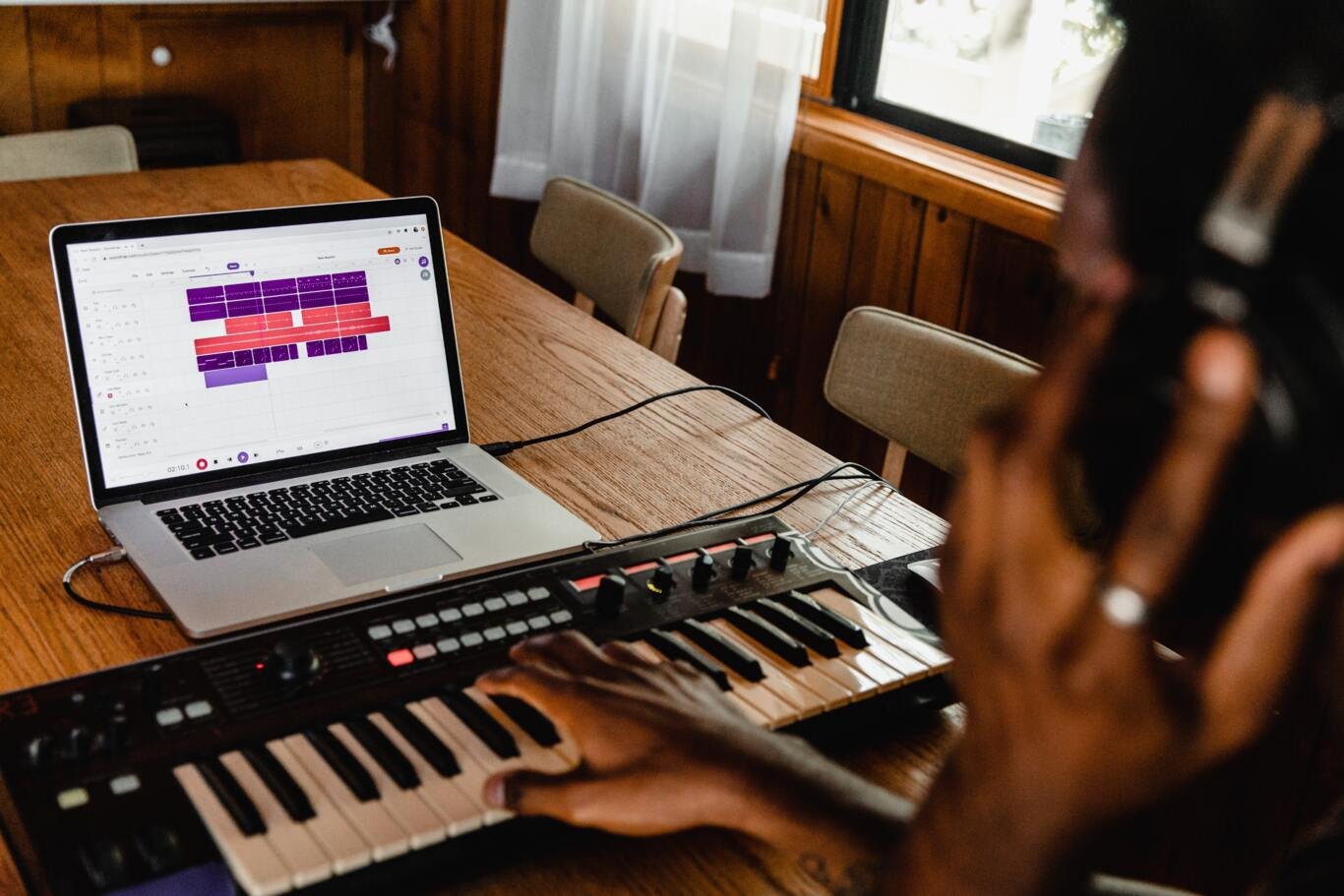
Private versus group is not a universal winner. Different students need different settings.
Private lessons usually cost more than group lessons, and you can customize goals, repertoire, and pacing. You get the teacher to yourself for the full session. Feedback is specific: hand position, fingering, rhythm, and tone get corrected while the habit is still forming.
Group lessons usually cost less per student. You can compare progress with peers, and some kids stay motivated by friends in the room. The tradeoff is divided teacher time. Shy students can also shut down if they feel behind. Practice and feedback in class get shared across the group.
Many families start in a group to see if the instrument sticks, then move to private lessons when the student is ahead of the class, bored, or working toward a specific goal. Others stay private from day one because beginners often need hands-on technique coaching that is hard to give in a full room. Choose based on goals, personality, and budget, not on a single rule.
Learning at home or in your own space
Some private teachers come to your home, or they teach from a home studio that feels quieter than a busy school hallway. Learning in a familiar space can lower stress for kids and adults. Parents can hear how the lesson runs and how practice is assigned. A warm, predictable environment helps many students focus. Studio lessons still work well for families who prefer a dedicated teaching space; the point is matching the setting to the student, not chasing one format.
Six Reasons Why Private Music Lessons Work
Preference still decides the format. These are the advantages that usually tip families toward private lessons.
Staying Motivated
Motivation is personal, but a private teacher watching you each week makes it harder to coast. In a group you can hide behind stronger players. One-on-one, the teacher sees your weak spots and nudges the next practice goal before frustration sticks.
Receive Instant Feedback
You do not wait while the teacher works down a roster. Corrections happen in the moment: posture, wrong notes, rushed counting. That short loop saves weeks of practicing a mistake at home.
Achieve Specific Goals
Group classes follow a shared syllabus. Private lessons can shift for an upcoming recital piece, a preferred genre, an exam track, or a holiday song. You can say what you want to learn and build the week around it.
Personalized and Flexible Training
If you are sick, many private teachers offer a makeup or reschedule within their policy. Miss a group class and the room moves on without you. Private pacing also leaves room to explore a skill longer or skip ahead when something clicks. The lesson stays useful instead of racing a fixed checklist.
Getting Better at Your Instrument
In private lessons you play more in front of the teacher. Group time often means one or two short turns. More guided reps usually means cleaner technique and faster grip on the instrument, whether piano, guitar, or voice.
Diving Into Music Theory
Theory often gets squeezed in a group schedule. Privately, you can balance playing and theory so you understand why a pattern works, not only how to copy it. That understanding supports independence later, and it is useful if you ever teach others.
How much do private music lessons cost?
Private lessons almost always cost more than group lessons. Exact rates vary widely by city, teacher experience, lesson length, and whether the teacher travels to you.
Older articles sometimes quote very high private bands. Treat any single national range as a planning hint only. For current piano-focused ranges, start with our guide to what is a good price for piano lessons. As a rough shape: group and shorter slots cost less per visit; private weekly lessons cost more; high-cost cities and highly credentialed teachers run higher still.
What usually drives the fee:
- Instrument and focus: Piano, other instruments, and voice each have their own market rates.
- Lesson length: Common slots are 30, 45, and 60 minutes. Longer visits cost more per session.
- Teacher experience: Demand, training, and years of teaching raise the rate.
- Location and travel: Studio lessons, online lessons, and in-home visits price differently. Travel fees can stack on in-home work.
- Extras: Instrument purchase or rental, books, and (for acoustics) servicing sit outside tuition.
If budget is tight, ask about 30-minute private lessons, every-other-week private lessons, or a mix of group plus occasional private coaching. Families also compare a few local teachers before pledging a package. Related read: Are 30-minute piano lessons worth it?
How to find a private music teacher
A strong private teacher matches your goals, age, and schedule as much as their resume. Look for clear communication about practice expectations, cancellation rules, and what the first month will cover. Ask whether they teach in-home, in studio, or online, and whether a short trial or intro lesson is available (policies vary).
On The Best Piano Teachers, you can search and filter teachers by location, level, style, and other preferences, then message people who look like a fit. Optional next step if you want an account first: student signup.
Conclusion
Private music lessons are worth it when one-on-one attention, custom goals, and faster correction matter more than saving on a group rate. Group lessons still help for social motivation and a low-cost test drive. Passion and practice between lessons decide the real return either way.
Pick the format that matches the student in front of you, then stick to a schedule you can keep. When you want personalized teaching, find a piano teacher and start with a clear first-month plan.