
What Is the Quickest Way to Learn Piano?
Playing the piano is rewarding, and it is also hard to rush. For beginners, progress is not a few tricks or patterns. It takes patience, focused practice, and usually some feedback.
That does not mean you have to move slowly forever. If you practice smart, you can learn piano faster: simpler songs arrive sooner, mistakes get fixed earlier, and you waste less time on habits that hold you back.
This page is about those speed tips. If you are starting from zero and need the full setup (keyboard, first notes and chords, a simple daily plan, and how to find a teacher), use our step-by-step guide: How to Start Learning Piano.
6 tips to learn piano quickly
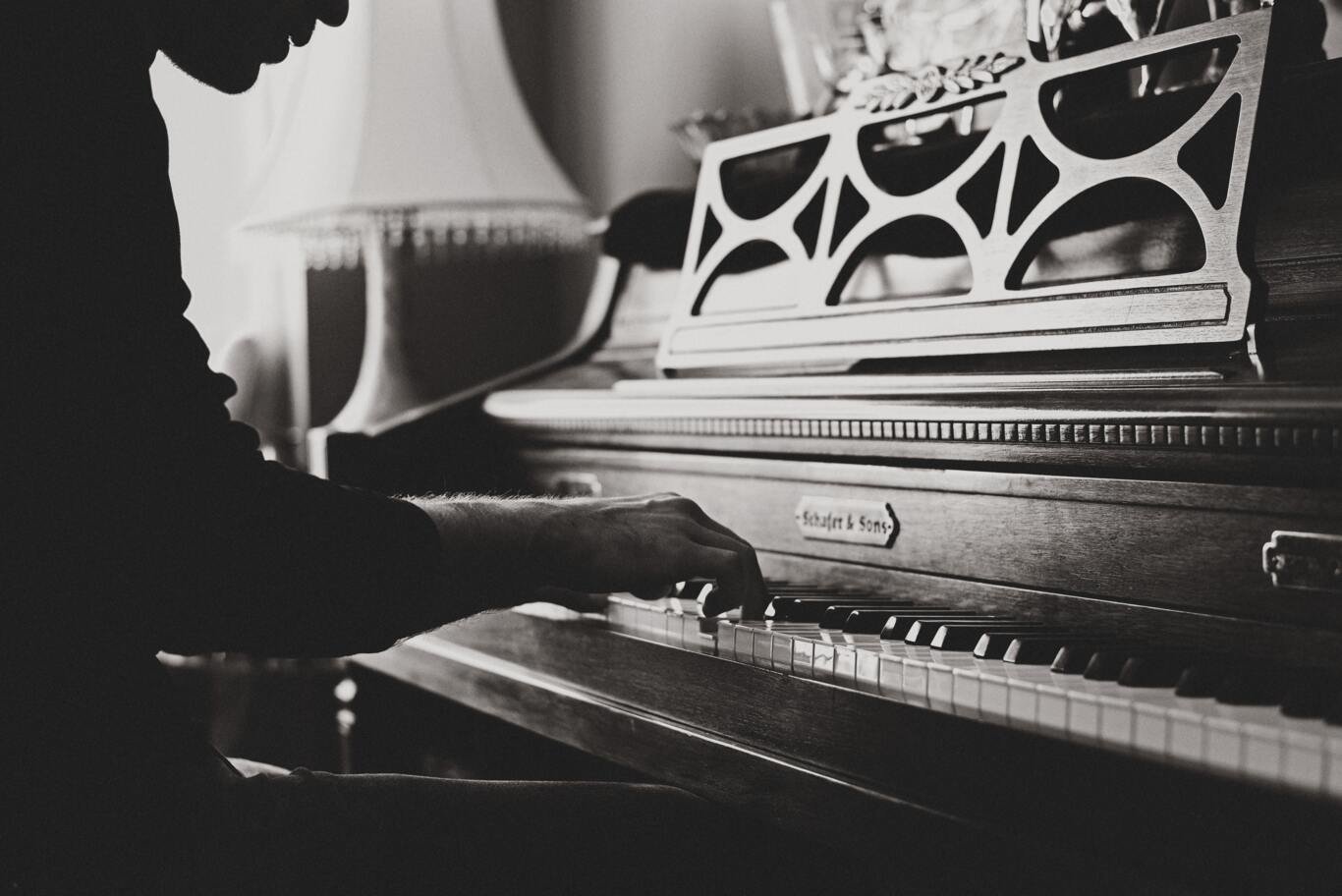

Source: Unsplash
Determine trouble spots (practice slowly)
When you push tempo too soon, problem bars blur past you. Slow down until the mistakes are obvious, then loop those bars until they are clean. Speed comes after accuracy, not before it.
Keep a practice journal
Missed days are normal, but learning faster still needs regular touch time. Write a short plan for each session (what to fix, how many minutes) and note what improved. A simple journal makes daily practice easier to keep than relying on motivation alone.
Start with easier versions
A common beginner mistake is jumping straight into hard music. Learn easier arrangements of songs you like first. Finishing pieces that fit your level builds skill faster than grinding one song that is years above you.
Fix posture and hand shape
How you sit and shape your hands affects tone, control, and injury risk. Sit tall, keep shoulders loose, and use a gentle curve in the fingers. Small posture fixes early prevent slowdowns later.
Jam with others
Playing with peers or more experienced musicians exposes you to timing, listening, and styles you will not invent alone. Keep it friendly and level-appropriate so the session teaches, not overwhelms.
Find a mentor
Piano is physical as well as musical. Apps and videos can help you start, but they cannot watch your hands for tension or bad fingering. A teacher shortens the path by correcting problems before they stick. For how to get set up and find the right teacher, see How to Start Learning Piano.
Why is learning piano hard?
Piano feels great when it clicks, but mastery is not automatic. You need theory and reading skills, plus the coordination to run two hands at once. Fast songs expose every gap in timing and control.
Self-teaching with apps or YouTube can get you started. It often stalls, though, when nobody checks posture, rhythm, or practice method. Short, focused practice plus occasional expert feedback usually beats long, unguided sessions.
Can I learn piano on a keyboard?

Source: Unsplash
Yes. A keyboard with a piano-style layout is a valid place to begin. Keys may be lighter or narrower than an acoustic, and weighted keys help later, but you can learn notes, reading, and basic technique on a keyboard without waiting for a grand piano.
Final Thoughts
If you want to learn piano quickly, start by slowing down where it counts: isolate hard bars, track practice, choose level-fit music, mind posture, play with others when you can, and get a teacher's eye on your technique.
These tips do not turn advanced repertoire into a weekend project. They do help you waste less time, so simple music sounds better sooner and your next steps feel clearer.
If something here still feels vague, leave a comment. For the full beginner roadmap, go back to How to Start Learning Piano.